


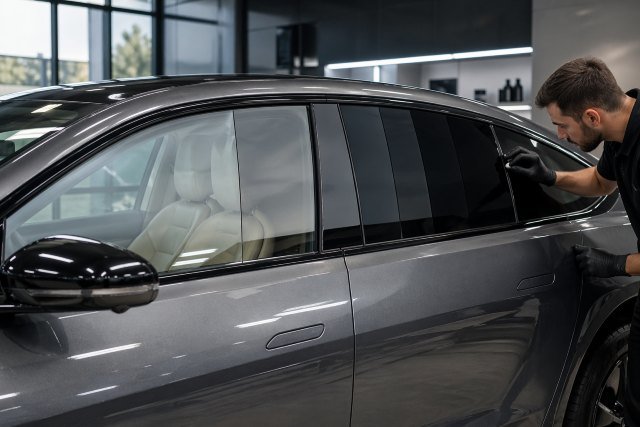
Electric Window Tint is gaining attention because it offers something standard tint cannot: on-demand control. Instead of choosing one permanent shade, users can switch the glass or film from clearer to darker or from transparent to private with electricity. In buildings, this usually refers to electrochromic or other dynamic glazing systems that adjust light and solar heat gain. The U.S. Department of Energy says dynamic windows can reduce lighting and HVAC energy use, improve thermal and visual comfort, and lower peak demand when compared with static glazing.
For homeowners, office managers, architects, and even vehicle owners, Electric Window Tint is appealing because it combines privacy, comfort, and a more modern user experience. It can help reduce glare on screens, limit overheating in bright spaces, and create a cleaner design by reducing the need for blinds or curtains in some applications. In commercial settings, the DOE notes that electrochromic windows are the most technologically mature type of dynamic glazing and can also support occupant well-being through better daylight control.
What Is Electric Window Tint?
Electric Window Tint is a broad term commonly used for electrically switchable glazing products. In practice, it may refer to switchable smart film, privacy glass, PDLC film, or electrochromic glass. These systems use electricity to change how much visible light passes through the glass or to switch between transparent and frosted states. The DOE describes electrochromic windows as glazing systems that use electricity to change light and solar transmittance to improve building and occupant performance.
The biggest difference between regular window tint and electric tint is flexibility. Traditional tint is static. Once installed, the shade level stays the same unless you remove and replace the film. Electric Window Tint, by contrast, is dynamic. That makes it especially valuable in rooms or vehicles where sunlight conditions change throughout the day or where privacy needs vary from one moment to the next.
Some versions are built into the glass itself, while others are applied as film to existing glass. Factory-made smart glass is usually the premium route. Retrofit smart film is often chosen when a project needs to upgrade current windows without full replacement. That distinction matters because cost, installation complexity, durability, and performance can vary a lot depending on which version you choose.
How Electric Window Tint Works
In electrochromic systems, the glass changes tint through electrically controlled ion movement in special coatings. The DOE explains that this reversible switching is achieved through the movement of protons or lithium ions into or out of coatings on the glass, such as tungsten oxide. This is the type most often associated with solar control, glare management, and energy performance in commercial buildings.
Other products, especially switchable privacy film, work a little differently. They are often designed to change from frosted to clear rather than to gradually darken like electrochromic glass. That makes them popular in conference rooms, clinics, partitions, shower enclosures, storefronts, and modern homes where instant privacy is the main goal. Many buyers use the phrase Electric Window Tint for both categories, but the real use case determines which technology is the better fit.
Electric Window Tint Cost
Cost is one of the first questions buyers ask, and the honest answer is that Electric Window Tint is usually far more expensive than standard non-powered tint film. Current consumer cost references show smart glass averaging around $100 per square foot, with broad ranges from about $25 to $200 per square foot, depending on technology, size, and installation complexity. HomeAdvisor similarly places smart glass around $50 to $150 per square foot on average.
Retrofit smart film can cost less than replacing the full window assembly. One industry pricing source lists switchable smart film at roughly $29 to $75 per square foot, while premanufactured smart glass products are listed higher, around $79 to $129 per square foot. These figures should be treated as market estimates rather than universal rates, because actual quotes depend on wiring access, custom sizing, labor, controls, and local installer availability.
In real-world budgeting, the final price is shaped by several factors. Larger panes may reduce the per-square-foot rate, but curved glass, custom dimensions, specialty edges, difficult access, and hidden wiring often push the total higher. New construction is usually the easiest environment for fully integrated electric tint, while retrofit projects can become more expensive if walls, frames, or nearby finishes must be opened to run power and controls.
For many buyers, the smart way to compare costs is not just “film versus film,” but “total outcome versus total outcome.” Standard tint is cheaper upfront. Electric Window Tint costs more, but it can add instant privacy control, better design flexibility, and in some commercial cases meaningful energy and comfort benefits that static film cannot deliver as effectively.
How Electric Window Tint Installation Works
Installation depends on whether you are using smart film on existing glass or fully replacing the glazing with electric smart glass. Retrofit smart film is generally applied to the existing window surface, then connected to a low-voltage power supply and switching control. Full smart-glass installation involves replacing the glazing unit and coordinating power, controls, and sometimes building automation systems.
A typical project starts with measuring the glass, confirming compatibility, and deciding where power and controls will sit. Next comes product fabrication or film cutting. After the surface is cleaned and prepared, the film or glass is installed, electrical connections are completed, and the control system is tested. Depending on the product, the tint may be controlled by a wall switch, remote, smartphone app, automation system, or preset daylight logic. SageGlass, for example, promotes predictive control using weather data for commercial smart-window operation.
Professional installation matters. Even when a film product looks simple on paper, alignment, dust control, edge finishing, electrical safety, and transformer placement all affect the final result. Poor installation can lead to hazy sections, visible bubbles, inconsistent switching, or shortened product life. In high-end residential and commercial work, the electrical and glazing teams usually need to coordinate closely so the finish looks clean and the controls feel seamless.
If the project is for a car, installation also needs to account for local tint laws, visibility rules, and safe integration with the vehicle’s electrical system. Since tint regulations vary by jurisdiction and change over time, buyers should verify local legal limits before installation rather than relying on generic online advice. That is especially important for front side windows and windshields.
Key Advantages of Electric Window Tint
One of the biggest advantages is adaptive comfort. Sunlight changes throughout the day, and static tint cannot respond. Dynamic glazing can. The DOE reports that electrochromic windows can reduce solar heat gain, improve thermal and visual comfort, and in some studies reduce peak cooling loads by 25% to 58% compared with certain low-e glazing benchmarks. The same report also cites studies showing annual savings in cooling-dominated climates ranging from 6 to 30 kWh per square foot, with energy reductions of up to 40% in some cases.
Another major benefit is glare control without sacrificing views. Traditional solutions often force a choice between daylight and comfort. Smart tint aims to preserve both more effectively. The DOE notes that dynamic facades can maintain natural light and outdoor views while managing solar and light transmittance based on outside conditions or occupant preferences. That matters in offices, schools, healthcare spaces, and premium homes where daylight is a design feature rather than a problem to block out completely.
Electric Window Tint can also support occupant wellness and productivity. The DOE report summarizes evidence linking daylight exposure to sleep-wake regulation, circadian rhythm support, reduced seasonal affective disorder, and improved well-being. In one cited user-preference result, 85% of private office occupants and 92% of public building occupants preferred electrochromic windows over conventional windows, reporting less glare and less heat from the sun.
There is also a strong privacy advantage. In offices and residential interiors, switchable film can replace blinds in some applications and create instant privacy on demand. That is especially useful for meeting rooms, clinics, bathrooms, front-facing glass, and multipurpose spaces where transparency is desirable part of the time but not all the time.
A related benefit is UV and interior protection. The Skin Cancer Foundation says UVA rays can pass through window glass and reach people indoors and in vehicles, and it notes that UV window film can block more than 99% of UVA and UVB light when applied to windows. The DOE also highlights window films as helping block glare and ultraviolet exposure. This matters not only for skin protection but also for reducing fading in furniture, finishes, and vehicle interiors.
Is Electric Window Tint Worth It?
Electric Window Tint is usually worth it when the user values control, privacy, appearance, and comfort as much as raw cost savings. For a luxury home office, a glass-walled meeting room, a clinic, or a modern storefront, the experience can justify the premium. For a large commercial façade, the energy and peak-load benefits may strengthen the business case further, especially when paired with thoughtful HVAC and daylighting design. The DOE notes that electrochromic windows may also create opportunities to downsize HVAC systems in well-integrated building designs.
It may be less compelling where the goal is simply the cheapest way to darken glass. In that situation, conventional solar-control film will almost always win on price. DOE and efficient windows guidance both note that window films can reduce solar heat gain and glare, especially in cooling-dominated climates, though they also block beneficial winter heat gain. So the best option depends on whether your priority is low upfront cost or dynamic performance.
Practical Buying Advice
Before choosing a product, define the main reason you want Electric Window Tint. If your top priority is instant privacy, switchable PDLC film or privacy glass may make the most sense. If your main goal is heat, glare, and daylight optimization for a high-performance façade, electrochromic glazing is the stronger candidate. Matching the technology to the problem is more important than following the broad “smart tint” label.
Ask installers about switching speed, haze, warranty coverage, electrical requirements, control options, and whether the product is meant for retrofit or full replacement. Also ask how the system behaves when power is off, because some products default to clear while others default to opaque or tinted. That one detail can matter a lot in privacy-sensitive spaces.
Conclusion
Electric Window Tint is more than a design trend. It is a practical upgrade for spaces that need flexible privacy, better glare control, more comfortable daylight, and a more premium user experience. While the cost is significantly higher than traditional tint, the value can be compelling in the right setting, especially when comfort, automation, aesthetics, and long-term performance matter.
For buyers comparing options, the key is simple: standard film is the budget solution, while Electric Window Tint is the intelligent control solution. If you want glass that adapts instead of staying fixed, this technology is worth serious consideration. In the right project, Electric Window Tint can improve privacy, reduce glare, support energy efficiency, and create a cleaner, smarter space from day one.