


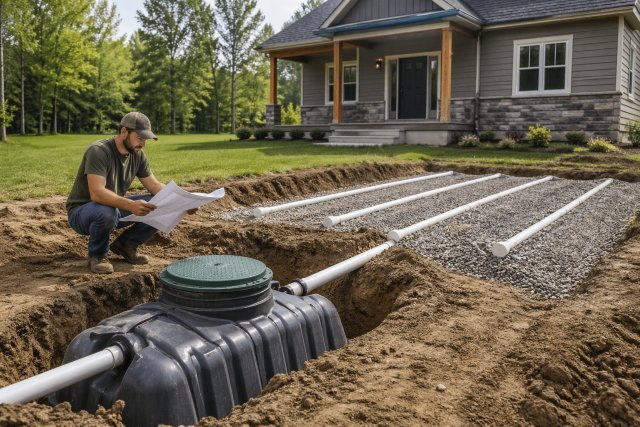
A good Septic Tank Design is not just about digging a pit and connecting pipes. It is about creating a safe, durable, and efficient wastewater treatment system that protects your home, soil, groundwater, and family health. When a septic system is planned correctly, it quietly handles wastewater from toilets, bathrooms, kitchens, and laundry without causing odor, backups, or contamination.
- What Is Septic Tank Design?
- Why Septic Tank Design Matters
- Important Septic Tank Design Rules
- Septic Tank Size: How Big Should It Be?
- Septic Tank Layout Tips for Better Performance
- Single-Chamber vs Two-Chamber Septic Tank Design
- Septic Tank Shape and Material
- Septic Tank Depth and Placement
- Drainfield Design: The Part Many People Forget
- Ventilation and Odor Control
- Septic Tank Maintenance Access
- Common Septic Tank Design Mistakes
- Septic Tank Design for Small Homes
- Septic Tank Design for Larger Homes
- Water Efficiency and Septic Performance
- What Not to Put Into a Septic System
- Real-World Example: Why Correct Size Matters
- Safety Considerations in Septic Tank Design
- How Often Should a Septic Tank Be Pumped?
- Septic Tank Design and Local Codes
- FAQs About Septic Tank Design
- What is the most important part of Septic Tank Design?
- Can I design my own septic tank?
- How far should a septic tank be from a house?
- Is a bigger septic tank always better?
- What causes septic design failure?
- Conclusion
A poorly designed septic tank, however, can become expensive very quickly. It may overflow, damage the drainfield, pollute nearby water sources, or require complete replacement. According to the U.S. Environmental Protection Agency, septic systems treat household wastewater through a combination of settling inside the tank and soil-based treatment in the drainfield.
This guide explains the important rules, size considerations, layout tips, and practical design details you should know before installing or upgrading a septic system.
What Is Septic Tank Design?
Septic Tank Design refers to the planning of a septic system’s tank size, chamber layout, inlet and outlet positions, baffles, ventilation, access covers, drainfield placement, and site distance from wells, buildings, and water bodies.
A septic tank is only one part of the full system. The complete setup usually includes the house sewer line, septic tank, outlet pipe, distribution box, drainfield or leach field, and surrounding soil. The EPA explains that wastewater first enters the septic tank, where solids settle and lighter materials float, while partially treated liquid flows to the drainfield for soil treatment.
In simple terms, the tank separates waste, and the soil finishes the treatment.
Why Septic Tank Design Matters
A well-designed septic tank protects your property from sewage backups and reduces the risk of groundwater contamination. The CDC notes that malfunctioning septic systems can contaminate groundwater and surface water, which may affect both people and the environment.
Good design also saves money. A tank that is too small fills quickly. A drainfield that is too small becomes overloaded. Pipes with poor slope may clog. Covers placed in the wrong location make maintenance difficult. These small mistakes can lead to major repair costs later.
For homeowners, builders, and rural property owners, septic planning should always happen before construction begins — not after the plumbing is already installed.
Important Septic Tank Design Rules
The first rule of septic design is simple: always follow local regulations. Septic permits are usually issued by local health or environmental departments, and requirements can vary by area, soil type, property size, groundwater level, and household use. The EPA states that septic permits are typically handled by local permitting authorities, and homeowners should check whether additional municipal permits are required.
Another important rule is proper soil testing. Septic systems depend heavily on soil absorption. If the soil drains too slowly, wastewater may pool near the surface. If it drains too quickly, wastewater may reach groundwater before proper treatment.
A proper site evaluation should consider:
| Design Factor | Why It Matters |
|---|---|
| Soil type | Determines how well wastewater can filter |
| Groundwater level | Prevents contamination and system failure |
| Household size | Helps calculate tank capacity |
| Number of bedrooms | Often used for wastewater flow estimates |
| Drainfield area | Controls final treatment and dispersal |
| Setback distances | Protects wells, buildings, and water sources |
| Maintenance access | Allows easy pumping and inspection |
The EPA also warns that if the drainfield is overloaded with too much liquid, it can flood and cause sewage to surface or back up into sinks and toilets.
Septic Tank Size: How Big Should It Be?
Septic tank size depends on wastewater flow, number of bedrooms, number of occupants, water usage, and local code. In many design guides, the number of bedrooms is used because it gives a practical estimate of possible household occupancy.
For example, a small two-bedroom home may need a smaller tank than a five-bedroom house with multiple bathrooms, laundry use, and frequent guests. Some extension guidance also notes that high-water-use fixtures, such as whirlpools or hot tubs, may require added system capacity.
A general sizing concept looks like this:
| Home Size | Common Tank Capacity Range |
|---|---|
| 1–2 bedrooms | Around 750–1,000 gallons |
| 3 bedrooms | Around 1,000 gallons |
| 4 bedrooms | Around 1,250 gallons |
| 5 bedrooms | Around 1,500 gallons or more |
These figures are general examples only. Your local code, soil report, and daily wastewater flow calculation should decide the final size.
A tank should never be designed only for the current family living in the home. It should be designed for the home’s full possible use. A three-bedroom house may have two people today, but it could have five or six people in the future.
Septic Tank Layout Tips for Better Performance
A strong septic tank layout starts with proper flow. Wastewater should move smoothly from the house into the tank, through the settling chambers, and out to the drainfield.
The inlet pipe should enter the tank at the correct height so incoming wastewater does not disturb settled sludge too aggressively. The outlet should usually sit slightly lower than the inlet to maintain correct flow direction. Baffles or tees are important because they help prevent floating scum and settled solids from leaving the tank.
The drainfield should be placed in an open area with suitable soil. It should not be placed under driveways, patios, heavy structures, or areas where vehicles may compact the soil. Compacted soil reduces absorption and can shorten the system’s life.
The EPA recommends maintaining the drainfield by not parking or driving on it, planting trees at a safe distance, and keeping roof drains, sump pumps, and excess water away from the drainfield area.
Single-Chamber vs Two-Chamber Septic Tank Design
Many modern septic tanks use two chambers. In a two-chamber design, wastewater first enters the main chamber, where most solids settle. The liquid then moves into the second chamber for additional settling before leaving the tank.
This improves effluent quality and reduces the chance of solids reaching the drainfield. A single-chamber tank can still work where allowed, but two-chamber tanks are often preferred because they add an extra layer of protection.
The better the tank separates solids, the longer the drainfield can last.
Septic Tank Shape and Material
Septic tanks are commonly made from concrete, fiberglass, or plastic. Each material has advantages and drawbacks.
Concrete tanks are strong and long-lasting when properly installed, but they are heavy and require careful handling. Plastic tanks are lighter and easier to transport, but they must be installed correctly to prevent movement, floating, or damage. Fiberglass tanks resist corrosion and are also lightweight, but they may cost more in some areas.
The best material depends on soil conditions, groundwater level, budget, local availability, and code approval.
Shape also matters. Rectangular tanks are common because they allow good flow separation. The length-to-width ratio should support smooth wastewater movement and enough retention time for solids to settle.
Septic Tank Depth and Placement
A septic tank should be deep enough to receive wastewater by gravity from the house, but not so deep that inspection and pumping become difficult. The top of the tank should be accessible through risers and secure covers.
Placement should allow easy access for maintenance trucks. If a tank is buried too far from accessible ground, pumping becomes more difficult and expensive.
The tank should also be away from wells, foundations, property lines, streams, and other protected areas according to local setback rules. These distances vary by region, so a licensed designer or local authority should confirm them before installation.
Drainfield Design: The Part Many People Forget
A septic tank is important, but the drainfield is just as critical. The drainfield receives partially treated wastewater and spreads it into the soil for final treatment.
The EPA describes the drainfield as a shallow, covered excavation in unsaturated soil where wastewater filters through soil and eventually moves toward groundwater after treatment.
A poor drainfield design can ruin even the best tank. The drainfield must be sized according to wastewater flow and soil absorption rate. Clay soil may need a larger area because it absorbs water slowly. Sandy soil may need special design consideration because water can move quickly.
Drainfield layout should avoid steep slopes, flood-prone areas, tree roots, and heavy traffic zones.
Ventilation and Odor Control
A properly designed septic system should not create strong sewage odors around the home. Odors often come from poor venting, blocked pipes, damaged covers, dry traps, or system overload.
Ventilation allows gases to escape safely, usually through plumbing vent stacks. The tank should also have sealed but accessible covers. Any cracks, loose lids, or damaged risers can release odors and create safety risks.
If odor appears suddenly, it may indicate a blockage, full tank, or drainfield problem.
Septic Tank Maintenance Access
A smart Septic Tank Design includes easy access for inspection and pumping. Access covers should be visible or easy to locate. Many older systems have tanks buried without risers, making maintenance harder.
The EPA says septic maintenance generally comes down to four key practices: inspecting and pumping frequently, using water efficiently, disposing of waste properly, and maintaining the drainfield.
Most homeowners do not think about access until the tank needs pumping. But if access is difficult, the cost and effort increase. Installing risers during construction is usually much easier than adding them later.
Common Septic Tank Design Mistakes
One common mistake is undersizing the tank. A small tank may seem cheaper at first, but it can lead to frequent pumping, poor settling, and drainfield damage.
Another mistake is ignoring soil conditions. Septic systems are not one-size-fits-all. A design that works on one property may fail on another because of soil, slope, or groundwater differences.
Poor pipe slope is also a serious problem. If the sewer line is too flat, solids may settle in the pipe. If it is too steep, liquid may flow too quickly and leave solids behind.
Placing the drainfield in a wet or compacted area is another costly error. The drainfield needs oxygen and unsaturated soil to function properly.
Septic Tank Design for Small Homes
Small homes still need proper septic planning. A tiny house, cabin, or two-bedroom home may produce less wastewater, but the design must still meet local rules.
The system should be based on real usage. A weekend cabin may need a different design than a small home used every day. However, many authorities still size systems according to bedrooms rather than current occupancy.
For small homes, water-efficient fixtures can reduce strain on the septic system. Low-flow toilets, efficient washing machines, and mindful water use help protect the drainfield.
Septic Tank Design for Larger Homes
Large homes need more careful planning because wastewater volume can be much higher. Multiple bathrooms, laundry rooms, guest rooms, dishwashers, and outdoor kitchens can increase water use.
A larger home may need a bigger tank, larger drainfield, dosing system, or advanced treatment unit depending on site conditions.
The design should also consider peak flow. For example, a home with many guests on weekends may overload a system designed only around average daily use.
Water Efficiency and Septic Performance
Water efficiency is one of the easiest ways to protect a septic system. Too much water entering the tank can push wastewater through too quickly, reducing settling time and sending solids toward the drainfield.
Simple habits help. Spread laundry loads throughout the week. Fix leaking toilets. Use efficient fixtures. Avoid draining roof water or sump pumps into the septic system.
The EPA highlights water efficiency as one of the main parts of septic system care.
What Not to Put Into a Septic System
Septic tanks rely on natural biological processes. Harsh chemicals, grease, wipes, feminine hygiene products, paint, solvents, and excessive cleaners can disrupt performance or clog the system.
Even items labeled “flushable” may not break down quickly enough for septic systems. Grease is especially harmful because it can build up in pipes and increase the scum layer inside the tank.
A good design helps, but daily use matters just as much.
Real-World Example: Why Correct Size Matters
Imagine a three-bedroom home with a small undersized tank and a compact drainfield. At first, everything works fine. Then the family grows, laundry increases, and guests visit more often.
The tank begins receiving more wastewater than it was designed to handle. Solids do not settle properly. The drainfield receives excess liquid. Over time, the soil becomes saturated, and sewage odors appear in the yard.
This problem could have been avoided with proper sizing, soil testing, and future-use planning during the design stage.
Safety Considerations in Septic Tank Design
Septic tanks can be dangerous if handled carelessly. They may contain harmful gases, low oxygen, bacteria, viruses, and other hazards. The CDC warns that workers handling sewage should use proper protective equipment and hygiene practices because wastewater can contain disease-causing organisms.
Homeowners should never enter a septic tank. Inspection, repair, and pumping should be handled by trained professionals.
Tank covers should also be secure, especially where children or animals may be present. Weak or damaged lids can collapse and create life-threatening hazards.
How Often Should a Septic Tank Be Pumped?
Pumping frequency depends on tank size, household size, water use, and solids buildup. The EPA generally recommends regular inspection and pumping as part of septic care. Many residential systems are commonly pumped every three to five years, but some need service sooner.
A well-designed septic tank should make pumping easier by providing clear access points. During pumping, the professional can also check baffles, sludge level, cracks, and signs of system stress.
Septic Tank Design and Local Codes
Local codes are not optional. They exist to protect groundwater, wells, public health, and neighboring properties.
Before installation, you may need a site evaluation, soil test, septic permit, design approval, and final inspection. The EPA states that septic system rules are usually handled by local permitting authorities, such as health or environmental departments.
Never rely only on generic online septic tank drawings. Use them for understanding, but final design should follow local standards.
FAQs About Septic Tank Design
What is the most important part of Septic Tank Design?
The most important part of Septic Tank Design is matching the tank and drainfield to the home’s wastewater flow and soil conditions. A tank that is too small or a drainfield that cannot absorb wastewater properly may fail even if the installation looks correct.
Can I design my own septic tank?
You can learn the basics, but most areas require a licensed professional, approved plan, and permit. Septic systems affect public health and groundwater, so local authorities usually regulate design and installation.
How far should a septic tank be from a house?
The required distance depends on local code. Septic tanks are usually placed close enough for plumbing flow and maintenance access but far enough to protect foundations and meet setback rules.
Is a bigger septic tank always better?
Not always. A tank should be properly sized, not randomly oversized. The drainfield, soil, and wastewater flow must also match the design. A large tank with a poor drainfield can still fail.
What causes septic design failure?
Common causes include poor soil evaluation, undersized tanks, overloaded drainfields, bad pipe slope, lack of maintenance access, high groundwater, and ignoring local permit rules.
Conclusion
A reliable Septic Tank Design begins with proper planning, not guesswork. The tank must be correctly sized, the layout must support smooth wastewater flow, and the drainfield must match the soil’s ability to absorb and treat effluent.
The best design also includes safe access covers, strong materials, proper baffles, good ventilation, and enough space for future maintenance. Most importantly, it must follow local health and environmental rules.
When done correctly, septic design protects your home, your land, nearby water sources, and your long-term budget. Before building or replacing a system, work with a qualified septic professional and local permitting authority to make sure your design is safe, legal, and built to last.