


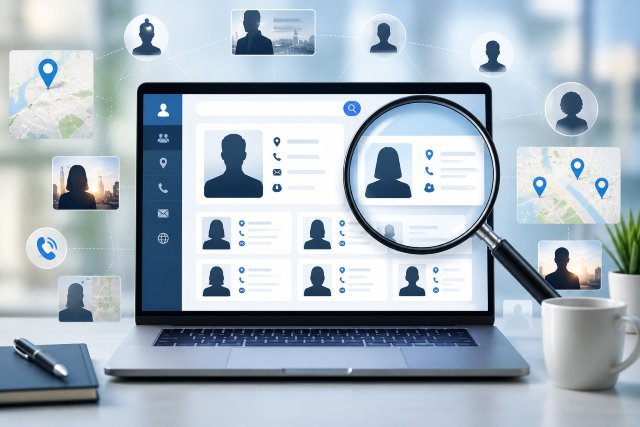
FastPeopleFinder is often described as a free people search tool that helps users look up basic public information connected to a name, phone number, address, or email. For anyone trying to reconnect with an old friend, verify a missed caller, or find publicly available contact details, tools like FastPeopleFinder can appear useful because they bring scattered records into one searchable place.
- What Is FastPeopleFinder?
- FastPeopleFinder: How It Helps You Find People for Free
- Key Features Usually Associated With FastPeopleFinder
- Is FastPeopleFinder Really Free?
- How Accurate Is FastPeopleFinder?
- Responsible Ways to Use FastPeopleFinder
- Privacy Concerns Around People Search Sites
- How to Use FastPeopleFinder More Effectively
- FastPeopleFinder vs Manual Google Search
- Who Should Use FastPeopleFinder?
- Limitations of FastPeopleFinder
- Is FastPeopleFinder Safe?
- FastPeopleFinder Alternatives
- FAQs About FastPeopleFinder
- Is FastPeopleFinder free?
- Can FastPeopleFinder find someone by phone number?
- Is FastPeopleFinder accurate?
- Can I remove my information from people search sites?
- Can I use FastPeopleFinder for background checks?
- Conclusion
But there is an important question behind every people search website: how reliable, safe, and ethical is it?
People search platforms usually gather data from public records, open online sources, data brokers, social profiles, and other databases. The FTC explains that people search sites may compile information from public social media profiles, government records, and other data brokers.
That means FastPeopleFinder may be helpful for basic searches, but it should never be treated as a perfect, official, or legally approved background-check system. This article gives a clear FastPeopleFinder overview, explains how it works, where it may help, where it may fall short, and how to use people search tools responsibly.
What Is FastPeopleFinder?
FastPeopleFinder is an online people lookup tool designed to help users find publicly available information about individuals. Similar people search tools often support searches by full name, phone number, address, and email address. Some third-party reviews describe FastPeopleFinder as a free people finder that pulls information from public and government-related databases.
In simple terms, FastPeopleFinder works like a public-record search shortcut. Instead of searching through multiple websites manually, a user can enter basic information and get possible matches in one place.
The type of information shown by people finder tools can vary. It may include current or previous addresses, phone numbers, age range, possible relatives, associated locations, and sometimes links to other public-record data. However, availability depends on the person, the data sources, and how updated the database is.
FastPeopleFinder: How It Helps You Find People for Free
The main appeal of FastPeopleFinder is convenience. Many people do not know where to begin when searching for someone online. Search engines can show hundreds of unrelated results, especially when a person has a common name.
A people finder tool narrows the process by organizing possible matches around identifying details. For example, if you know someone’s name and city, you may be able to filter results faster. If you only have a phone number, a reverse phone lookup may help identify whether the number is connected to a person, household, or business.
This is especially useful in everyday situations. Someone may want to reconnect with a former classmate, check whether a missed call is from a legitimate person, confirm an old address, or verify basic information before contacting someone professionally.
Still, users should remember that “free” does not always mean complete. Some people search platforms show basic results for free but redirect users to paid reports for deeper records. Others may display ads, sponsored links, or third-party offers. Always read the page carefully before entering payment details or personal information.
Key Features Usually Associated With FastPeopleFinder
FastPeopleFinder and similar people lookup tools are commonly promoted around a few search methods.
A name search lets users enter a first and last name, often with a city or state to narrow results. This is useful when looking for someone with a known identity but unknown current contact details.
A reverse phone lookup allows a user to enter a phone number and see possible owner information. This can help with unknown calls, old contact lists, or checking whether a number belongs to the person you expected.
An address lookup may show current or previous residents connected to a location. This can be useful for reconnecting with someone who once lived at a known address, but it should be used carefully and respectfully.
Some tools also offer email lookup, which may connect an email address to public profiles or known records. However, email results can be inconsistent because people often use multiple emails, abandon old accounts, or keep addresses private.
Is FastPeopleFinder Really Free?
FastPeopleFinder is often marketed as a free people search option, and many reviews describe it as offering free basic lookup features.
However, users should understand the difference between a free search and a complete report. A free search may show limited information such as a name, age range, city, relatives, or possible addresses. A more detailed report, when offered through third-party services, may require payment.
This is common across the people search industry. Many websites use free results as an entry point, then charge for expanded records. That does not automatically make the service bad, but it does mean users should check what is actually free before relying on it.
A smart approach is to start with the free information, compare it with other public sources, and avoid paying unless the site clearly explains what the paid report includes.
How Accurate Is FastPeopleFinder?
Accuracy is one of the biggest concerns with any people finder website. Public-record databases are not always updated in real time. A person may have moved, changed phone numbers, married, divorced, changed their name, or removed old public profiles.
People search tools may also merge records incorrectly. For example, two people with the same name in the same state could appear under similar profiles. Old addresses may stay attached to someone years after they moved. Phone numbers may be reassigned to new owners.
That is why FastPeopleFinder should be used as a starting point, not a final source of truth. If you are trying to contact someone, verify the details through more than one source. If the matter is serious, use official records or professional verification channels.
Responsible Ways to Use FastPeopleFinder
FastPeopleFinder can be helpful when used for normal, respectful purposes. Looking for an old friend, reconnecting with relatives, checking an unknown caller, or confirming publicly available contact details are common examples.
The tool should not be used for harassment, stalking, intimidation, impersonation, or unwanted repeated contact. Just because information appears online does not mean it should be misused.
A responsible user should ask one simple question before searching: would this search respect the other person’s privacy and safety? If the answer is no, do not continue.
It is also important to avoid using people search results for official decisions. The FTC notes that background screening reports used for employment, housing, credit, insurance, or similar eligibility decisions may fall under the Fair Credit Reporting Act.
In plain English, do not use FastPeopleFinder to decide whether to hire someone, rent property to someone, approve credit, or judge legal eligibility. For those purposes, use a proper FCRA-compliant screening provider.
Privacy Concerns Around People Search Sites
People search websites raise real privacy concerns because they can make personal details easier to find. Even when data comes from public sources, combining it into one profile can feel invasive.
The FTC has warned that people search sites may collect information from public records, social media, and other data brokers, then sell or display reports about individuals.
This is why many users search for opt-out options. Some people want their phone numbers, addresses, or relatives removed from public people-search results. The challenge is that opt-out systems vary from site to site, and removing data from one website does not always remove it from the original source or other data brokers.
California has also launched DROP, a Delete Request and Opt-Out Platform, allowing eligible residents to send deletion requests to registered data brokers through one system. The California Privacy Protection Agency says data brokers must begin deleting covered data within required timelines once the system is fully active.
Even if you are not in California, the existence of such tools shows how important data broker privacy has become.
How to Use FastPeopleFinder More Effectively
Start with accurate basic details. A full name plus city or state usually works better than a name alone. If the person has a common name, add a middle initial, age range, previous city, or known relative if the platform allows it.
Try more than one search method. If the name search gives too many results, use a phone number or address. If a phone lookup gives unclear results, compare it with public social profiles, official business listings, or old contact records.
Look for consistency. If the same address, city, age range, and relatives appear across multiple sources, the match is more likely to be correct. If details conflict, treat the result as uncertain.
Do not rush into paid reports. Many users pay because they expect a perfect answer, but paid reports can still contain outdated or incorrect information. Review the free preview carefully before making any decision.
FastPeopleFinder vs Manual Google Search
A manual Google search is free and useful, but it can be messy. You may find social profiles, old news pages, business directories, public posts, and unrelated people with the same name.
FastPeopleFinder-style tools are more structured. They are built to connect names, phone numbers, addresses, and possible relatives. This can save time, especially when searching for someone with limited details.
However, Google may sometimes show fresher public information, such as recent professional profiles, personal websites, or business pages. FastPeopleFinder may rely more on database records that can lag behind real-life changes.
The best method is often a combination. Use FastPeopleFinder for a quick public-record overview, then use search engines and official sources to confirm details.
Who Should Use FastPeopleFinder?
FastPeopleFinder may be useful for everyday users who want to reconnect with someone or identify basic public information. It can help people looking for old classmates, relatives, former neighbors, or unknown callers.
It may also help users who want to check their own online footprint. Searching your own name can show what information may already be visible through public-record aggregators. If the information is too personal, you can look for removal or opt-out options.
Businesses should be more careful. If a company needs identity verification, employee screening, tenant screening, or compliance checks, a casual people search tool is not enough. Official screening must follow applicable laws and privacy rules.
Limitations of FastPeopleFinder
FastPeopleFinder is not a magic tool. It cannot guarantee that every person will appear. Some people have limited public records, private profiles, common names, or outdated contact details.
It may also show incomplete information. A phone number may be old, an address may be previous, and a relative may be incorrectly linked. Public databases can include errors, and people search tools may repeat those errors.
Another limitation is privacy removal. Even if FastPeopleFinder offers an opt-out process, your information may still appear on other websites. Data often spreads across multiple brokers, directories, archives, and public sources.
That is why people search should be treated as research, not certainty.
Is FastPeopleFinder Safe?
FastPeopleFinder can be safe to use if you stay cautious. Do not enter unnecessary personal information. Avoid downloading suspicious files. Be careful with ads or pop-ups that may look like part of the search result. Do not submit payment details unless you understand the terms.
You should also be careful about how you use the information. Contacting someone once with a respectful message is different from repeated unwanted contact. Privacy and consent matter, even when information is public.
For your own safety, consider searching your name occasionally to understand what is visible. If you find sensitive details, look for official opt-out pages and review privacy settings on social media accounts.
FastPeopleFinder Alternatives
FastPeopleFinder is not the only people search option. Other tools may include public-record search sites, reverse phone lookup websites, social media platforms, professional networking sites, county records, property appraiser websites, court records, and search engines.
The best alternative depends on your goal. If you want to reconnect with a friend, social media may be more natural. If you want property information, official county records may be more reliable. If you want to identify a phone number, a reverse lookup tool may be faster.
FAQs About FastPeopleFinder
Is FastPeopleFinder free?
FastPeopleFinder is commonly described as a free people search tool. In practice, some results may be free, while deeper reports or third-party details may require payment. Always check what is included before paying.
Can FastPeopleFinder find someone by phone number?
People finder tools often support reverse phone lookup. If FastPeopleFinder has phone search features available, you may be able to enter a number and see possible owner details or related records.
Is FastPeopleFinder accurate?
FastPeopleFinder may provide useful public-record matches, but it is not always accurate. Information can be outdated, incomplete, or linked to the wrong person. Always verify results through multiple sources.
Can I remove my information from people search sites?
Many people search sites offer opt-out or removal processes, but each website has its own rules. Removing data from one site may not remove it from other brokers or original public records. The FTC notes that people search sites may collect data from multiple sources, which makes privacy removal more complicated.
Can I use FastPeopleFinder for background checks?
You should not use FastPeopleFinder for official background checks related to employment, housing, credit, insurance, or eligibility decisions. The FTC explains that reports used for those purposes can trigger Fair Credit Reporting Act requirements.
Conclusion
FastPeopleFinder can be a useful free people search tool for basic public-record lookups, reverse phone searches, address checks, and reconnecting with people. Its biggest advantage is convenience: it can organize scattered public information into a searchable format.
However, it is not perfect. Results may be outdated, incomplete, or incorrect. It should not be used for official screening, legal decisions, or any harmful purpose. Privacy also matters because people search sites can expose personal information in ways many users may not expect.
The best way to use FastPeopleFinder is carefully and ethically. Start with free results, verify details across multiple sources, respect personal boundaries, and use official channels when accuracy truly matters.